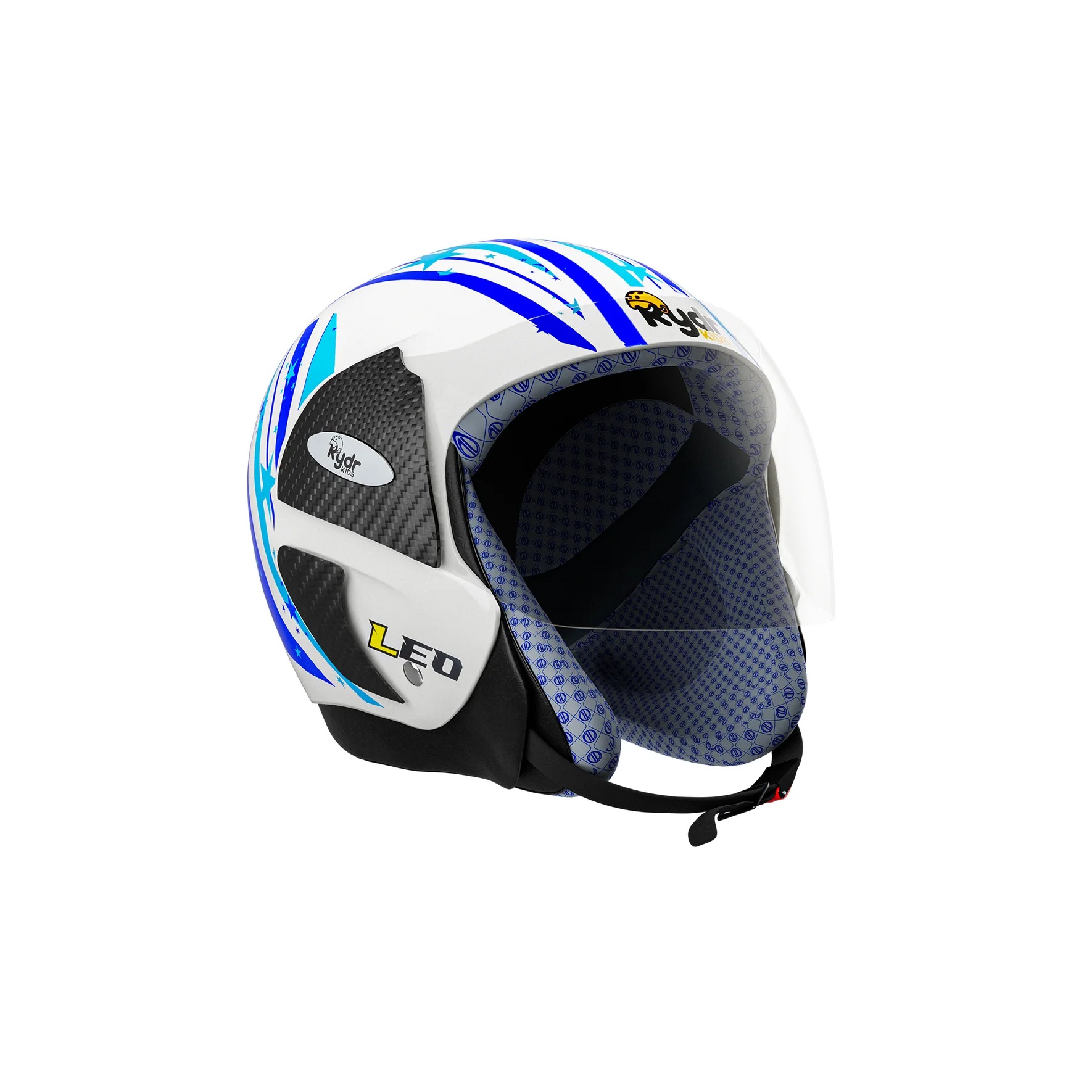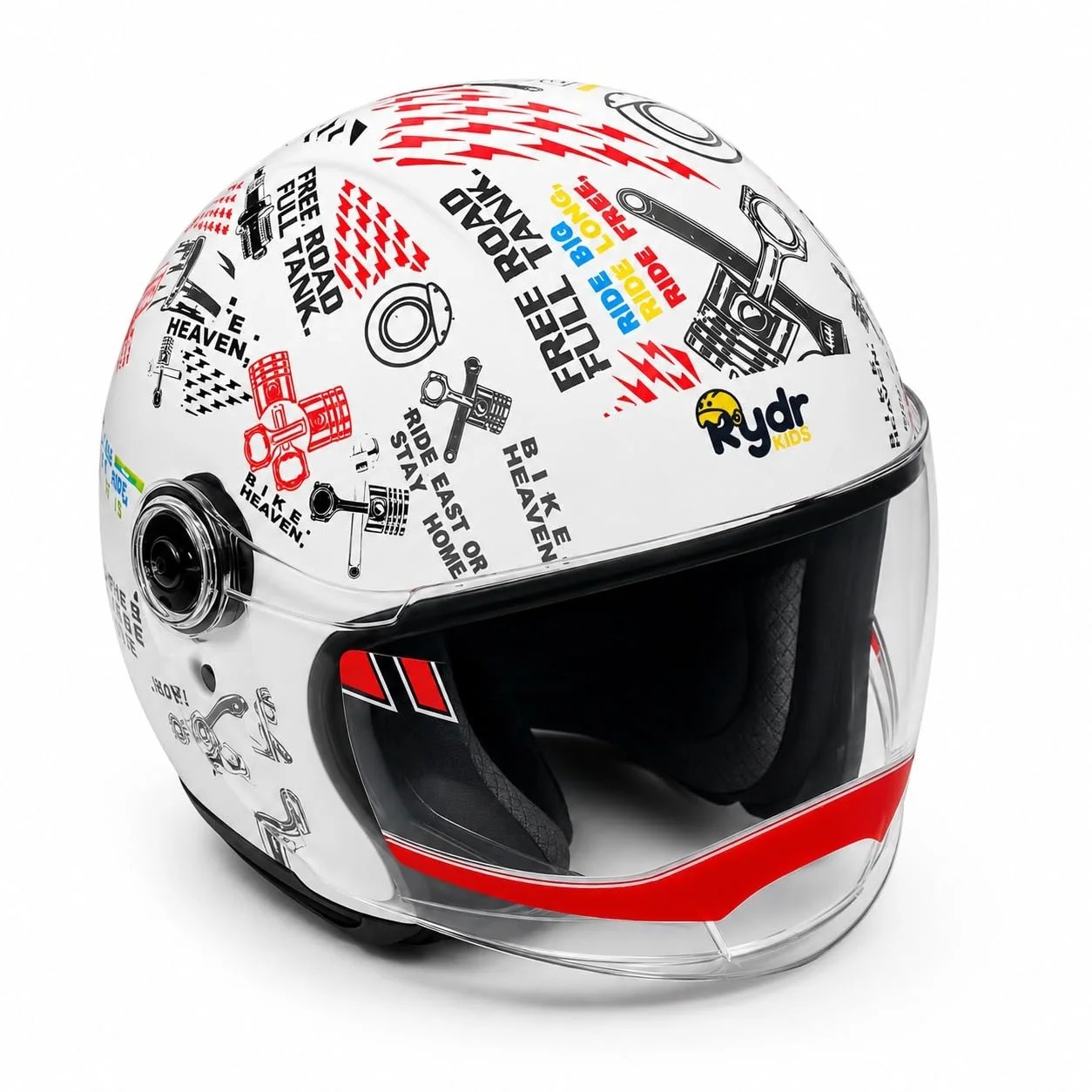
Riding a motorcycle offers freedom, convenience, and excitement, but safety should always come first. Whether you commute to work, travel around the city, or enjoy long weekend rides, wearing a properly fitted helmet is one of the most important steps you can take to protect yourself. Choosing the right women helmet involves more than selecting an attractive colour or design. Fit, comfort, construction, ventilation, and safety certification should all influence your decision.
With several styles and features available in the market, finding a suitable helmet can feel confusing. Understanding what to look for before making a purchase can help you make a more informed choice and enjoy greater confidence on every ride.
1. Check the Safety Certification
Safety certification should be your first consideration when purchasing a motorcycle helmet. A helmet may look stylish and feel comfortable, but its protective performance is more important than its appearance.
In India, look for the applicable BIS certification and ISI mark for motorcycle helmets. Check that the marking is genuine and that the helmet complies with the relevant safety requirements. Avoid purchasing products with unclear certification details or questionable quality claims.
A certified helmet is designed and tested according to specified safety standards. However, certification does not make a rider completely immune to injuries. Safe riding practices and proper helmet use remain essential.
2. Choose the Correct Helmet Size
A helmet must fit your head properly to provide the intended level of protection. A loose helmet may move around while riding, whereas an excessively tight one can cause discomfort and pressure points.
Before purchasing a women helmet, measure your head circumference using a flexible measuring tape. Wrap it around the widest part of your head, generally just above the eyebrows and ears. Compare the measurement with the manufacturer's size chart.
When trying a helmet, check the following:
It should fit snugly without creating painful pressure.
The cheek pads should make gentle contact with your cheeks.
The helmet should not move excessively when you shake your head.
The chin strap should fasten securely.
There should be no uncomfortable pressure around the forehead.
Remember that sizing can vary between brands and helmet models. Always check the specific size guide rather than assuming that your usual clothing size will determine your helmet size.
3. Select a Suitable Helmet Type
Motorcycle helmets are available in different designs, each offering a different level of coverage and convenience.
Full-Face Helmet: This design covers the entire head, including the chin and jaw area. It is a popular option for riders who want comprehensive facial coverage.
Open-Face Helmet: This style covers the top, sides, and back of the head while leaving the face exposed. It offers an open riding experience but provides less facial coverage than a full-face helmet.
Modular Helmet: Also known as a flip-up helmet, it features a movable chin section. Its convenience depends on the design and certification of the particular model.
Half Helmet: This design provides more limited head coverage. Riders should carefully consider its coverage and applicable safety certification before choosing one.
Select a style based on your riding requirements, comfort preferences, and safety needs rather than appearance alone.
4. Consider Weight and Overall Comfort
A helmet should feel comfortable during both short commutes and longer journeys. Excessive weight or an unsuitable shape can cause discomfort, especially when riding for extended periods.
When evaluating a women helmet, consider its weight and how evenly it sits on your head. A helmet that feels balanced can make it easier to maintain a comfortable riding posture.
Also check the interior padding. It should feel comfortable against your forehead and cheeks without causing irritation. Removable and washable liners can be useful for maintaining cleanliness, provided the manufacturer allows them to be removed.
Do not choose a helmet simply because it feels extremely light. Its protective construction and certification should always remain the priority.
5. Look for Proper Ventilation
Ventilation is particularly important when riding in warm and humid weather. A helmet with suitable ventilation openings can help circulate air and improve comfort.
Check whether the helmet includes air intake vents and exhaust outlets. Their placement and design can influence airflow inside the helmet.
Good ventilation can help reduce heat and moisture buildup during rides. However, the actual airflow experience may vary depending on the helmet design, riding speed, and weather conditions.
If you frequently ride in hot conditions, ventilation should be one of the features you compare before purchasing.
6. Check the Visor Quality and Visibility
Clear visibility is essential for safe riding. A helmet visor should provide a clear field of vision without significant distortion or obstruction.
Before purchasing, check whether the visor opens and closes smoothly and stays securely in position. Look for scratches, uneven surfaces, and other defects.
Some helmets offer tinted or additional visor options. These may be useful in bright conditions, but dark visors should not be used when visibility is poor or during night rides unless specifically approved for those conditions.
A clear visor is generally the practical choice for everyday use, particularly when riding in changing light conditions.
7. Examine the Chin Strap and Fastening System
The fastening system helps keep the helmet securely positioned during a ride. Even a well-designed helmet may not offer its intended protection if the chin strap is not fastened correctly.
Check the strap for strong stitching, reliable fastening, and comfortable adjustment. It should fit securely beneath your chin without causing discomfort.
Learn how to fasten and release the mechanism before taking the helmet on the road. Always secure the chin strap before starting your motorcycle.
Never ride with an unfastened or loosely adjusted helmet.
8. Consider Design Without Compromising Safety
Many riders prefer helmets that complement their personal style. Today, helmet designs are available in different colours, finishes, patterns, and shapes.
You can choose a women helmet that matches your motorcycle, riding gear, or personal preferences. However, avoid allowing appearance to become the deciding factor.
A stylish helmet is only a suitable choice when it also meets your safety, fit, and comfort requirements. Prioritise certified construction and a secure fit before considering decorative features.
9. Check Maintenance and Replacement Requirements
A helmet needs proper care to remain in suitable condition. Regularly inspect its outer shell, visor, padding, and chin strap for visible damage or wear.
Clean the exterior and interior according to the manufacturer's instructions. Avoid using harsh chemicals or solvents that may damage the helmet materials.
If a helmet experiences a significant impact, replace it even if there are no obvious external cracks. Internal damage may not always be visible.
Also follow the manufacturer's recommendations regarding the helmet's service life and replacement schedule. Never continue using a helmet simply because it still looks new.
10. Set a Practical Budget
Helmet prices can vary depending on their construction, certification, materials, features, and brand. Before purchasing, decide on a reasonable budget while keeping safety as your main priority.
Compare different options within your budget and check their certification, sizing, ventilation, visor quality, and warranty information.
Avoid choosing an uncertified helmet just because it is cheaper. A properly fitted, compliant helmet is an important investment in your riding safety.
Conclusion
Choosing the right helmet is an important decision for every motorcycle rider. From safety certification and correct sizing to ventilation, visor quality, and comfort, several features deserve attention before making a purchase.
A suitable women helmet should fit securely, provide appropriate coverage, and meet applicable safety requirements. Take time to compare available options, try different sizes where possible, and follow the manufacturer's usage and maintenance instructions.
Remember, the best helmet is not simply the one that looks good. It is the one that fits correctly, meets recognised safety standards, and supports comfortable riding on every journey.
Frequently Asked Questions
1. How do I choose the correct women helmet size?
Measure your head circumference using a flexible measuring tape and compare it with the manufacturer's size chart. Try the helmet to ensure it fits snugly without causing painful pressure or excessive movement.
2. Which helmet type is suitable for everyday motorcycle riding?
A certified full-face helmet is a strong option for riders who want coverage for their head, face, and chin. The final choice should depend on the helmet's certification, fit, and individual riding requirements.
3. Is an ISI-marked helmet important in India?
Yes. In India, check for genuine BIS certification and the applicable ISI mark when purchasing a motorcycle helmet. Always verify the certification details instead of relying only on product descriptions.
4. How often should I replace my motorcycle helmet?
Follow the manufacturer's recommended replacement schedule. Replace a helmet immediately after a significant impact, even if visible damage is not apparent. Regularly inspect its shell, padding, visor, and fastening system.
5. Can I choose a helmet based on colour and design?
Yes, you can consider colours and designs that match your preferences. However, safety certification, proper fit, coverage, and comfort should always take priority over appearance.