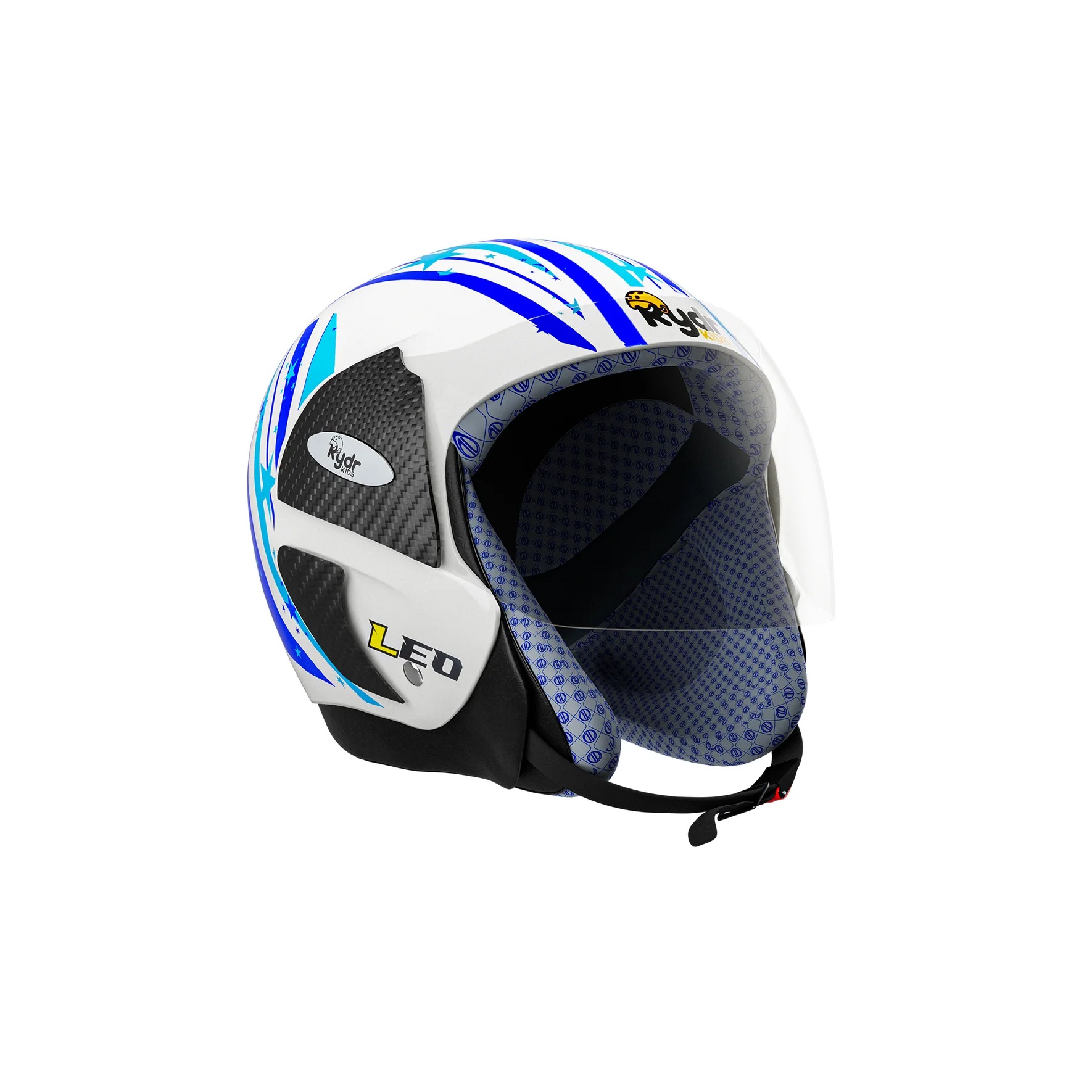
Children often enjoy travelling on two-wheelers with their parents, whether it is a short ride to school, a family outing, or a weekend trip. While these experiences can be exciting, ensuring a child's safety should always be the first priority. One of the most important steps parents can take is selecting a suitable helmet that fits properly and meets recognised safety standards.
Choosing the right Kids Helmet involves more than picking an attractive colour or design. Parents need to consider factors such as fit, comfort, construction, certification, and age-appropriate sizing. A helmet that looks good but does not fit correctly may not provide the intended level of protection.
To help parents make informed decisions, here are five common mistakes to avoid when selecting a helmet for children.
1. Choosing a Helmet Based Only on Appearance
Children are naturally attracted to colourful designs, cartoon-inspired graphics, and attractive patterns. While appearance can make a helmet more appealing to young riders, it should never be the main deciding factor.
Some parents allow their children to select a helmet based entirely on its colour or design without checking its construction and safety information. This can lead to a purchase that may not be suitable for the child's needs.
Instead, consider appearance only after checking the essential features. Look for a helmet that meets applicable safety standards, has suitable protective construction, and offers a secure fit. You can involve your child in selecting the final design from options that already meet your safety requirements.
2. Buying the Wrong Size
One of the most common mistakes parents make is choosing a helmet based on a child's age rather than their actual head measurement. Children of the same age can have different head sizes, so age-based assumptions may result in an unsuitable fit.
A helmet that is too loose may shift during movement, while one that is too tight can create pressure and discomfort. Both situations can affect how securely the helmet sits.
Before purchasing a Kids Helmet, measure the child's head circumference according to the manufacturer's instructions. Usually, this involves measuring around the widest part of the head, just above the eyebrows and ears.
Once you have the measurement, compare it with the brand's size chart. After wearing the helmet, check that it sits level on the head, feels snug without causing pain, and does not move excessively when the child shakes their head gently.
3. Ignoring Safety Certifications and Standards
Another important mistake is overlooking safety certifications. Parents may assume that every helmet available in the market offers the same level of protection, but this should never be taken for granted.
Different helmets are manufactured for different activities and purposes. A bicycle helmet, for example, is not automatically suitable for motorcycle or scooter travel. Choosing a helmet specifically intended for the type of riding is essential.
For two-wheeler passengers in India, parents should check that the helmet complies with the applicable Bureau of Indian Standards (BIS) requirements, including the relevant ISI certification where required.
Before purchasing, inspect the certification markings and product information. Buy from a reliable seller, check the manufacturer's details, and avoid products with unclear safety claims. A recognised certification provides important information about compliance, although correct sizing and usage remain essential.
4. Overlooking Comfort and Ventilation
Even a properly certified helmet may become difficult for a child to wear if it feels uncomfortable. Some parents focus heavily on protective features but forget to consider how the helmet feels during everyday use.
A helmet that is excessively heavy, poorly padded, or uncomfortable around the forehead and ears may make a child reluctant to wear it consistently.
When choosing a helmet, consider the following factors:
Weight: Select an age-appropriate design that the child can wear comfortably.
Padding: Check that the inner lining feels comfortable and does not create pressure points.
Ventilation: Suitable ventilation can help improve comfort, particularly during warm weather.
Strap design: The fastening system should be adjustable and secure without irritating the skin.
Ease of wearing: The helmet should be easy for parents to put on and secure correctly.
Remember that comfort should complement safety, not replace it. A comfortable helmet must still meet the relevant safety requirements and fit securely.
5. Buying a Helmet Without Checking Its Condition or Replacement Needs
Some parents purchase a helmet and continue using it for years without checking its condition. However, helmets can become damaged through impact, improper storage, or regular wear and tear.
Even if there are no visible cracks on the outside, the internal protective material may have been compromised after an impact. A helmet involved in a significant crash should generally be replaced according to the manufacturer's guidance, even if the damage is not immediately obvious.
Parents should also inspect the helmet regularly for:
Cracks, dents, or damage to the outer shell.
Damaged or compressed inner protective material.
Loose, frayed, or broken straps.
Faulty buckles or fastening systems.
Worn-out padding or damaged components.
Follow the manufacturer's recommendations regarding the product's service life and replacement. Avoid buying second-hand helmets because their usage and impact history may be unknown.
Additional Tips for Choosing the Right Kids Helmet
Avoiding these five mistakes is a good starting point, but parents should also develop safe riding habits for their children.
Make helmet use consistent: Children should wear a suitable helmet every time they travel as passengers on a two-wheeler, regardless of the distance.
Check the fastening system: Ensure that the chin strap is secured correctly according to the manufacturer's instructions. A helmet should not be worn with an unfastened strap.
Set a positive example: Children are more likely to understand the importance of protective equipment when they see adults following safety practices themselves.
Choose the correct helmet category: Make sure the helmet is specifically designed and approved for the intended activity. Do not substitute a bicycle helmet for a motorcycle passenger helmet.
Review the fit as children grow: Head size changes over time, so periodically reassess whether the helmet still fits properly.
Why Choosing the Right Kids Helmet Matters
A helmet is an important part of a child's protection during two-wheeler travel. However, simply purchasing one is not enough. It must be appropriate for the activity, meet relevant safety requirements, fit securely, and be worn correctly on every ride.
Parents should take time to compare options, read product information, and involve children in the selection process without compromising on safety. A thoughtful purchase can help establish positive safety habits from an early age.
Conclusion
Choosing a Kids Helmet requires careful attention to more than appearance and price. Buying the wrong size, ignoring certifications, overlooking comfort, and failing to inspect the helmet's condition are mistakes that can affect its suitability.
By checking head measurements, verifying applicable safety standards, selecting an appropriate design, and ensuring correct usage, parents can make more informed decisions for their children. Most importantly, make helmet use a consistent part of every two-wheeler journey. Building safe habits today can help children understand the importance of responsible riding as they grow.
Frequently Asked Questions
1. How do I choose the correct Kids Helmet size?
Measure your child's head circumference according to the manufacturer's instructions and compare it with the brand's size chart. The helmet should sit level, feel snug without causing discomfort, and remain secure without excessive movement.
2. Is an ISI-marked helmet important for children travelling on two-wheelers in India?
Yes. Parents should check that a motorcycle helmet meets the applicable BIS safety requirements and carries the relevant ISI certification where required. Always verify the certification and ensure the helmet is intended for motorcycle use.
3. Can children use the same helmet for cycling and motorcycle travel?
Not necessarily. Bicycle helmets and motorcycle helmets are designed for different activities and safety requirements. Always choose a helmet specifically intended for the type of travel or riding involved.
4. When should parents replace a child's helmet?
Replace a helmet after a significant impact or crash, even if visible damage is not obvious. It should also be replaced if the shell, inner protective material, straps, or fastening system becomes damaged. Follow the manufacturer's replacement guidance.
5. How can I make my child comfortable wearing a helmet?
Choose the correct size, check the padding and ventilation, adjust the straps properly, and allow your child to select an appealing design from suitable safety-approved options. Most importantly, make wearing a helmet a consistent family habit.