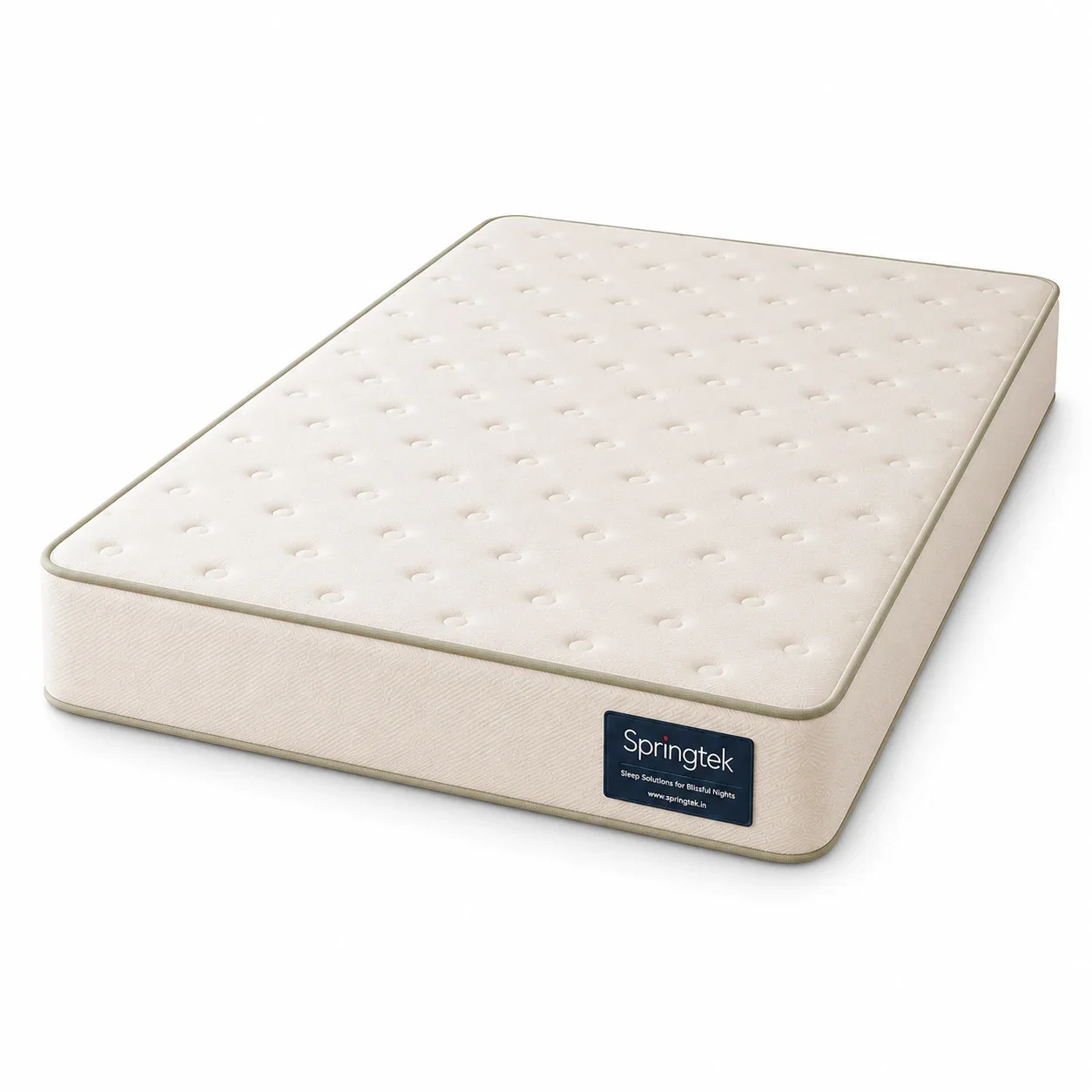
Choosing the right mattress involves understanding the materials used in its construction. Latex mattresses are popular among people who prefer a responsive sleeping surface with a balance of cushioning and support. However, not all latex mattresses are made from the same materials. Natural latex and synthetic latex differ in their sources, manufacturing processes, characteristics, and environmental considerations.
Understanding these differences can help you decide which option is more suitable for your comfort preferences and budget.
1. What Is a Natural Latex Mattress?
A natural latex mattress is made using latex derived from the milky sap of rubber trees. The sap is processed into latex foam, which is then used to create mattress layers. Depending on the manufacturing method and product composition, natural latex can offer a responsive and elastic sleeping surface.
One of its notable characteristics is its ability to compress under body weight and return to its original shape relatively quickly. This creates a buoyant feel rather than the slow-sinking sensation commonly associated with memory foam.
Natural latex is also valued by consumers who prefer materials derived from renewable natural sources. However, the environmental impact of a mattress depends on the complete manufacturing process, sourcing, transportation, and other materials used in its construction.
2. What Is a Synthetic Latex Mattress?
Synthetic latex is manufactured using chemical compounds designed to replicate some characteristics of natural latex. Styrene-butadiene rubber (SBR) is commonly used in synthetic latex production.
This material can provide elasticity and cushioning similar to natural latex, although its feel and performance may vary depending on the formulation and manufacturing process.
Synthetic latex is often considered by buyers looking for latex-like comfort at a different price point. It can also be used in combination with natural latex to create blended latex products.
3. Key Differences Between Natural and Synthetic Latex
Material Source: Natural latex comes from rubber tree sap, whereas synthetic latex is produced using petroleum-derived chemical compounds. Blended latex combines natural and synthetic materials in varying proportions.
Comfort and Responsiveness: Both types can offer a responsive sleeping surface. Natural latex is often appreciated for its buoyant feel, while synthetic latex can vary depending on its formulation and density.
Durability: The lifespan of a latex mattress depends on its quality, density, construction, usage, and maintenance. Natural latex products are often associated with good resilience, but synthetic latex quality can also vary. Checking product specifications and warranty details is important.
Breathability: Latex foam can have an open-cell structure and ventilation channels that support airflow. However, temperature regulation depends on the mattress design, cover fabric, layering, and surrounding materials rather than latex origin alone.
Environmental Considerations: Natural latex is sourced from a renewable tree-based material. Synthetic latex is generally made using petroleum-derived ingredients. Buyers interested in sustainability should also check certifications, sourcing information, and manufacturing practices.
4. Which Latex Mattress Should You Choose?
The right option depends on your priorities. If you prefer a mattress made primarily from tree-derived latex and value its natural material origin, natural latex may be worth considering. If you are looking for latex-like responsiveness at a different price point, synthetic latex may be another option.
Before buying, check the actual natural latex percentage, foam density, firmness, mattress thickness, and overall construction. Do not assume that every product labelled as a latex mattress contains 100% natural latex. Some mattresses use synthetic or blended latex, so reading the specifications is essential.
5. Tips for Buying a Latex Mattress
Consider your sleeping position, preferred firmness, body weight, and budget before making a purchase. Compare product descriptions, material details, customer reviews, warranty coverage, and care instructions. These factors can help you understand what you are paying for and whether the mattress matches your requirements.
Make an Informed Mattress Choice with Springtek
Natural and synthetic latex mattresses offer different material characteristics and buying considerations. Understanding their composition, comfort, responsiveness, and durability can help you select an option that suits your sleeping preferences.
Springtek offers mattress solutions designed for different comfort requirements and budgets. Explore its collection, compare available materials and product specifications, and choose a mattress that supports your everyday comfort needs.