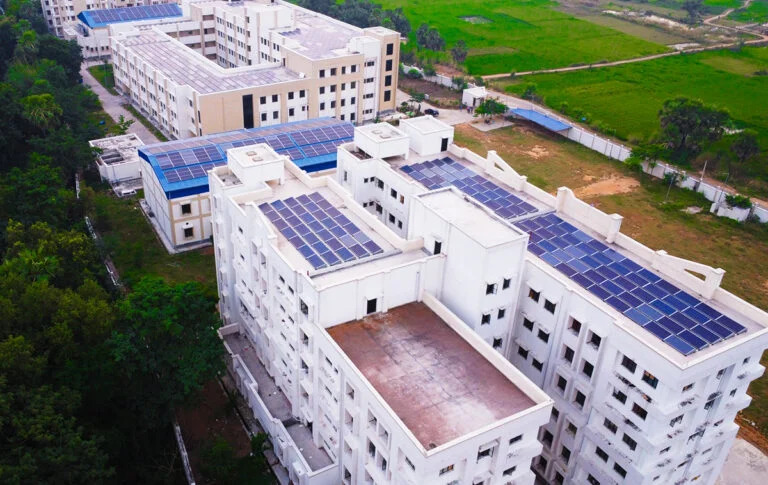
Installing a solar energy system at home is a practical way to use renewable energy, reduce dependence on conventional electricity, and manage long-term power expenses. With growing awareness of sustainable living, many homeowners are exploring rooftop solar solutions to generate electricity from sunlight. However, a successful installation requires proper planning, the right equipment, professional installation, and regular maintenance.
Whether you are considering a small rooftop system or a larger residential setup, understanding the process can help you make an informed decision.
1. Assess Your Home's Electricity Requirements
The first step in planning a solar installation is understanding your household's electricity consumption. Review your electricity bills from the past 6–12 months to identify your average monthly usage.
Make a list of the major appliances used at home, such as air conditioners, refrigerators, fans, lighting, televisions, and water pumps. Consider whether your electricity requirements may increase in the future.
This assessment helps determine the appropriate solar system capacity for your property. Choosing a system that matches your consumption can improve its usefulness and avoid unnecessary investment.
2. Evaluate Your Rooftop Space
Available rooftop space plays an important role in solar system installation for home use. Solar panels generally perform better when installed in locations that receive sufficient direct sunlight throughout the day.
Before installation, consider the following factors:
Roof area: Check whether sufficient unobstructed space is available for the required number of panels.
Sunlight exposure: Identify nearby buildings, trees, or structures that may create shadows.
Roof condition: Ensure the roof is strong enough to support the panels and mounting structure.
Orientation and tilt: Select a suitable panel direction and angle based on the property's location.
A professional site assessment can help identify the most appropriate installation arrangement.
3. Choose the Right Solar Equipment
A residential solar system consists of several components that work together to generate and supply electricity.
Solar Panels: These capture sunlight and convert it into direct current (DC) electricity. Compare panel efficiency, performance warranties, and product quality before selecting a model.
Solar Inverter: The inverter converts DC electricity into alternating current (AC), which household appliances use. Its capacity should be compatible with the solar panel setup.
Mounting Structure: This supports the panels and keeps them securely positioned on the rooftop.
Battery Storage: Batteries can store surplus electricity for use when solar generation is unavailable. They are particularly useful for systems designed to provide backup power.
Choose components based on your electricity needs, budget, available space, and expected system performance.
4. Understand Installation and Permissions
Once the equipment and system capacity are finalised, the next step is professional installation. A qualified solar installer typically inspects the property, prepares the mounting arrangement, installs the panels, connects the inverter, and completes the necessary electrical work.
For grid-connected rooftop systems in India, homeowners should also check the applicable DISCOM requirements, net-metering regulations, and installation approvals. If you plan to use government-supported residential solar schemes, verify the current eligibility criteria and approved vendor requirements through official channels.
Proper installation and electrical safety checks are essential for reliable system operation.
5. Follow a Regular Solar Maintenance Routine
Solar panels generally require limited maintenance, but periodic inspections can help maintain their performance.
Clean the panels: Dust, leaves, and bird droppings can reduce sunlight absorption. Clean the panels according to the manufacturer's recommendations, using suitable methods.
Inspect electrical connections: Ask a qualified technician to check wiring, connectors, and other electrical components periodically.
Monitor energy generation: Review inverter readings or monitoring applications to identify unusual drops in electricity production.
Check the mounting structure: Ensure that the panels and supporting structures remain secure.
Schedule professional servicing: Periodic inspections can help identify potential issues before they affect system performance.
Always follow safety precautions and avoid climbing onto rooftops or handling electrical components without proper training.
6. Monitor Performance and Long-Term Savings
After installation, regularly compare your solar electricity generation with your household consumption. Seasonal changes, weather conditions, shading, and equipment performance can influence energy production.
Keep installation documents, warranties, maintenance records, and electricity bills in one place. These records can help you track system performance and plan future servicing.
Plan Your Home Solar Installation with Energy United India
A well-planned solar system can help homeowners make better use of renewable energy while supporting more sustainable electricity consumption. From assessing rooftop suitability to selecting suitable equipment and maintaining the system, every step contributes to long-term performance. If you are exploring solar system installation for your home, Energy United India can help you understand suitable solar solutions. Choosing an experienced solar company in Muzaffarpur can make the transition to solar energy more organised and efficient.