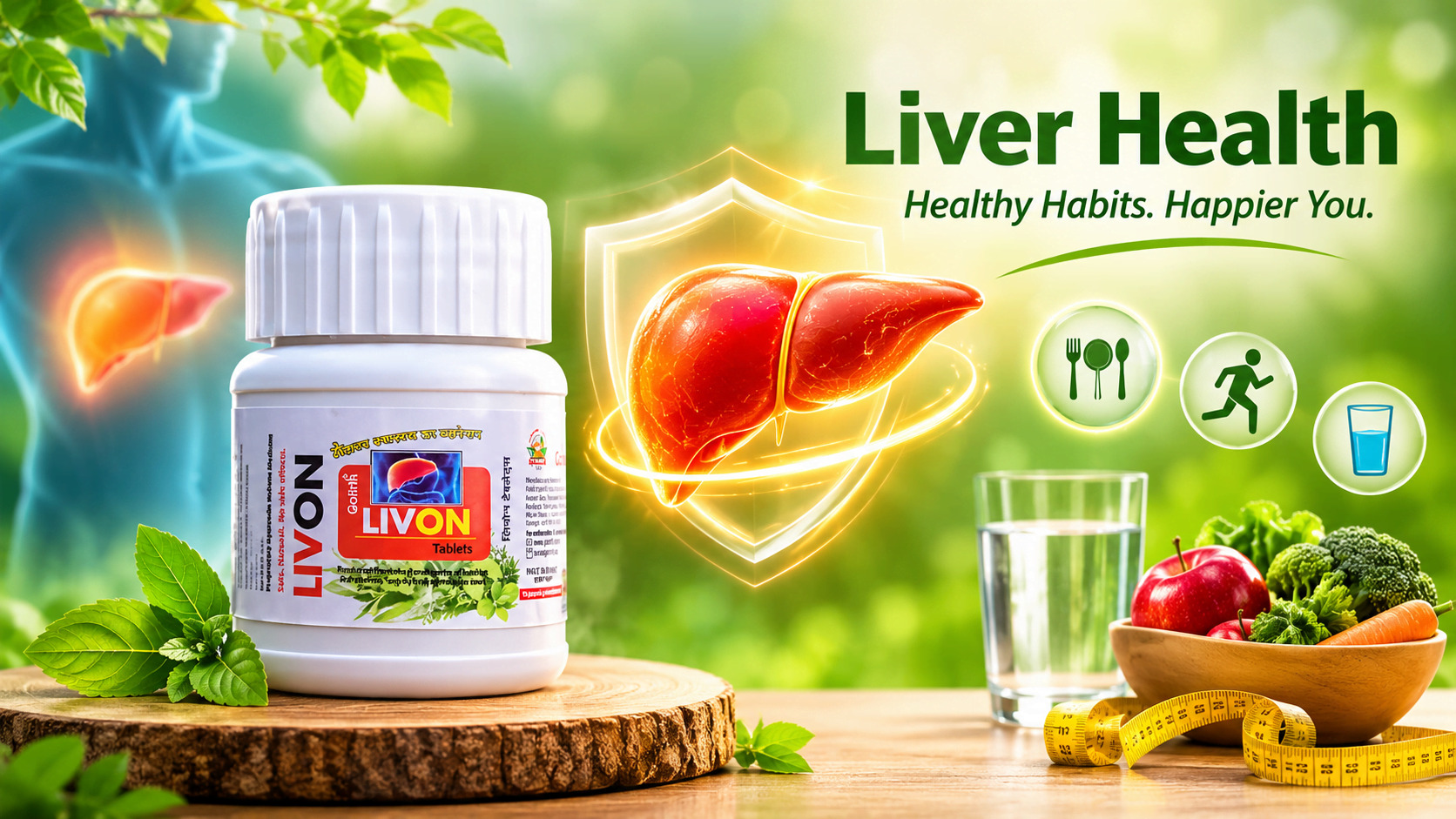
The liver is one of the most important organs in the human body. It performs several essential functions, including processing nutrients, filtering harmful substances from the blood, supporting digestion, and helping regulate metabolism. Maintaining good liver health is therefore important for overall well-being. However, modern lifestyle habits, irregular eating patterns, lack of physical activity, and excessive consumption of alcohol can affect normal liver function over time.
Many people do not pay attention to their liver health until they experience discomfort or receive abnormal liver test results. Developing healthier daily habits and understanding the factors that influence liver function can help support long-term wellness. Along with lifestyle improvements, people also explore dietary supplements such as Livon tablet as part of their wellness routine.
In this article, we will discuss common lifestyle habits that affect liver health, ways to maintain a healthy liver, and important things to understand about Livon tablet.
Why Is Liver Health Important?
The liver performs several functions that help the body operate properly. It plays an important role in digestion, metabolism, nutrient storage, and the processing of substances that enter the body.
Some important functions of the liver include:
Nutrient Processing: Helps process carbohydrates, proteins, and fats from food.
Bile Production: Produces bile, which supports the digestion and absorption of fats.
Metabolism: Helps regulate the body's use and storage of nutrients.
Blood Filtration: Processes various substances circulating in the bloodstream.
Nutrient Storage: Stores certain vitamins and minerals for future use.
Because the liver performs multiple functions, maintaining healthy lifestyle habits is essential for supporting its normal functioning.
7 Common Lifestyle Habits That Affect Liver Health
Everyday choices can influence liver health. Some habits may increase the risk of liver-related problems, particularly when followed over a long period.
1. Eating Too Much Processed and Unhealthy Food
Frequent consumption of processed foods, fried snacks, sugary beverages, and meals high in unhealthy fats can contribute to weight gain and metabolic problems.
Excess body weight and insulin resistance are important risk factors for metabolic dysfunction-associated steatotic liver disease (MASLD), previously known as non-alcoholic fatty liver disease (NAFLD).
Including fresh fruits, vegetables, whole grains, and balanced meals in your diet can support better metabolic health.
2. Excessive Alcohol Consumption
Regular and excessive alcohol consumption can damage liver cells and increase the risk of liver conditions.
Long-term alcohol use may contribute to fatty liver, alcoholic hepatitis, and liver cirrhosis. Reducing or avoiding alcohol is an important step towards protecting liver health.
People with existing liver disease should discuss alcohol consumption with their healthcare professional.
3. Lack of Physical Activity
A sedentary lifestyle can contribute to weight gain, poor metabolic health, and increased fat accumulation in the liver.
Regular physical activity helps maintain a healthy body weight and supports insulin sensitivity.
Activities such as walking, cycling, swimming, and strength training can be included in a weekly fitness routine. Even moderate exercise performed consistently can contribute to better overall health.
4. Irregular Eating Habits
Skipping meals frequently, overeating, and consuming meals at inconsistent times can make it difficult to maintain a balanced diet.
Although meal timing alone does not determine liver health, consistent eating habits can help people manage their overall nutrition and weight.
Focus on balanced meals containing vegetables, fruits, protein sources, and fibre-rich foods.
5. Inadequate Water Intake
Water is essential for several normal bodily functions, including digestion and circulation. Not drinking enough water can contribute to dehydration and affect general well-being.
Make sure to drink sufficient water throughout the day according to your activity level, climate, and individual health requirements.
However, drinking extra water does not detoxify the liver or reverse liver damage. The liver naturally performs its processing and metabolic functions.
6. Unnecessary Use of Medicines and Supplements
Taking medicines or herbal supplements without proper guidance can sometimes affect liver health. Certain medications and supplements may cause liver injury, particularly when used incorrectly or in excessive amounts.
Avoid self-medication and always follow recommended dosages. Consult a healthcare professional before combining multiple supplements or starting a new product.
7. Poor Sleep and Chronic Stress
Sleep and stress management are important parts of overall health. Poor sleep can affect appetite regulation, metabolism, and weight management.
Similarly, prolonged stress may contribute to unhealthy eating habits and reduced physical activity.
Maintaining a regular sleep schedule, staying physically active, and practising relaxation techniques can help support a healthier lifestyle.
How to Maintain a Healthy Liver Naturally
Healthy liver habits do not require complicated routines. Small and consistent lifestyle improvements can make a meaningful difference.
Consider these practical habits:
Eat a balanced diet with fresh fruits and vegetables.
Limit sugary drinks and highly processed foods.
Avoid excessive alcohol consumption.
Maintain a healthy body weight.
Exercise regularly and avoid prolonged sitting.
Get sufficient sleep every night.
Avoid unnecessary medicines and unverified supplements.
Follow recommended hepatitis vaccination guidelines.
Get medical check-ups when advised.
People with diabetes, obesity, high cholesterol, or a family history of liver disease may benefit from discussing appropriate liver health screening with their doctor.
Understanding the Role of Livon Tablet in Liver Wellness
Along with healthy eating and physical activity, some people explore supplements as part of their general wellness routine. Livon tablet is one such product that people may come across when researching liver health supplements.
However, it is important to understand that the purpose, ingredients, and suitability of any supplement depend on its actual formulation. A product name alone does not establish its medical benefits or effectiveness.
Before considering a Livon Tablet, check the product label for its ingredients, recommended dosage, manufacturer information, and usage instructions.
Keep the following points in mind:
Check the complete ingredient list before purchasing.
Follow the dosage mentioned on the product label or recommended by a healthcare professional.
Consult a doctor if you have an existing liver condition.
Seek professional advice if you are taking prescription medicines.
Do not use supplements as a replacement for medical treatment.
It is also important to remember that liver supplements are not a substitute for a balanced diet, regular exercise, or appropriate medical care. Anyone experiencing abnormal liver function tests should seek medical advice rather than relying on supplements alone.
Frequently Asked Questions About Liver Health and Livon Tablet
1. What are the common signs of poor liver health?
Some possible signs include persistent fatigue, abdominal discomfort, nausea, yellowing of the skin or eyes, dark urine, and swelling in the abdomen or legs. However, liver conditions can also develop without noticeable symptoms. Medical evaluation is necessary for proper diagnosis.
2. Which foods are good for liver health?
A balanced diet containing green vegetables, fruits, whole grains, legumes, nuts, and appropriate protein sources can support overall metabolic health. Limiting sugary beverages and highly processed foods is also beneficial.
3. Can drinking water improve liver health?
Adequate water intake supports normal bodily functions and helps prevent dehydration. However, drinking extra water does not directly cleanse the liver or remove toxins from it.
4. Is daily exercise important for liver health?
Yes. Regular physical activity supports healthy body weight and metabolic function. Walking, cycling, swimming, and other moderate activities can help reduce risk factors associated with fatty liver disease.
5. Can Livon tablet replace a healthy diet?
No. A supplement should not replace a balanced diet, healthy lifestyle habits, or medical treatment. Its suitability depends on the ingredients and individual health requirements.
6. How can I know if my liver is healthy?
Healthcare professionals may recommend blood tests such as liver function tests (LFTs), along with other investigations depending on symptoms and medical history. A doctor can determine which tests are appropriate.
Conclusion
Liver health plays an important role in maintaining overall well-being, but everyday lifestyle habits can influence how well the liver functions. Excessive alcohol consumption, unhealthy eating patterns, physical inactivity, unnecessary medication use, and poor sleep can contribute to risk factors associated with liver problems.
Making healthier choices, maintaining a balanced diet, exercising regularly, and seeking medical advice when necessary are important steps towards long-term liver wellness. While products such as Livon tablet may attract interest among people exploring liver health supplements, always verify their ingredients and consult a healthcare professional before use. A consistent, informed approach to lifestyle and healthcare remains essential for supporting liver health.
Disclaimer: This article is intended for informational and educational purposes only. The information provided should not be considered medical advice, diagnosis, or treatment. Always consult a qualified healthcare professional before starting any supplement, including Livon tablet, especially if you have an existing medical condition or are taking medication.